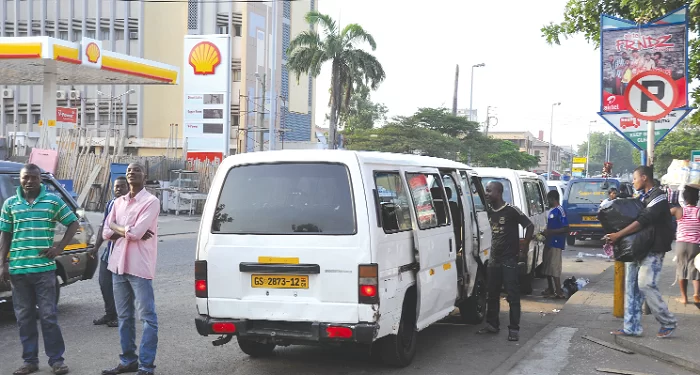
Drivers are facing growing pressure on their earnings as the latest increase in fuel prices pushes up their daily operating costs.
The second pricing window of September has seen several Oil Marketing Companies (OMCs) increase pump prices, adding to the financial strain on commercial drivers who continue to charge existing fares.
The increases have been attributed to higher international refined petroleum product prices and a slight depreciation of the cedi.
At Star Oil, petrol has increased from GH¢15.17 per litre in the first pricing window to GH¢16.77, while diesel has risen from GH¢16.97 to GH¢17.77 per litre.
Allied has also adjusted its prices, with petrol now selling at GH¢16.90 and diesel at GH¢17.90 per litre.
The latest increases have renewed calls from some drivers for either a reduction in fuel prices or an adjustment in transport fares.
Commercial driver Francis Awotwe told Citi Business News that the higher fuel costs are already affecting his daily earnings.
“Fuel prices have been increased this morning, but we are still charging the same fares. I have spent almost GH¢300 on fuel, but I have not earned that amount from working.”
He called on government to take measures to address the rising cost of petrol, noting that a continued increase could make it increasingly difficult for drivers to remain profitable.
Another driver, James Adjei, said rising fuel costs were leaving drivers with little income after meeting their operating expenses.
“We are not getting anything again. We work for the car owner.”
He said drivers would support either a reduction in fuel prices or an increase in transport fares to reflect their rising costs.
Commuters divided over fare increases
Commuters, however, have expressed mixed views on the possibility of higher transport fares.
While some are concerned about the additional burden on household budgets, others acknowledge that drivers are facing higher operating costs but want government to consider reducing taxes on fuel.
Commuter Benjamin Osei Boateng said an adjustment in fares could be justified given that transport fares have remained unchanged for an extended period.
“Fares have not been increased for about two years now, so if transport operators negotiate for an increase, it will benefit them, even though it will affect us.”
He urged government to consider measures to reduce taxes on fuel to ease the pressure on both drivers and commuters.
Another commuter, Raymond Chukwu, warned that any increase in transport fares would have wider economic consequences.
“It will affect everyone because transportation is a means of livelihood, so when there’s an increment in transportation [fares], it is going to affect every sector.”
Impact on businesses
The pressure is not limited to commercial drivers.
A sustained rise in fuel prices could increase operating costs for businesses that depend heavily on road transport, logistics and diesel-powered equipment.
These additional costs could eventually feed into the prices of goods and services as businesses seek to absorb or pass on higher transportation and distribution expenses.
For households, the impact could therefore extend beyond the cost of filling vehicles, particularly if higher transport fares translate into increased commuting and distribution costs.
GPRTU signals possible fare increase
The Ghana Private Road Transport Union (GPRTU) has already indicated that transport fares could increase by between 25% and 30% if the projected fuel price increases persist.
Such an adjustment would raise commuting costs for passengers while also increasing the cost of moving goods across the country.
With fuel prices continuing to respond to developments in the international oil market, the pressure on drivers, transport operators, businesses and households is likely to remain a key concern in the coming pricing windows.
CitiNewsRoom