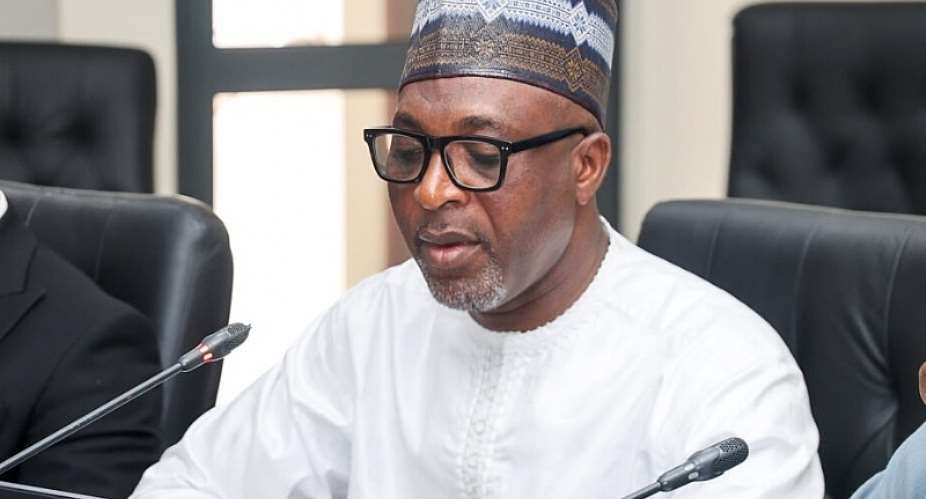
Ghana is preparing for a significant overhaul of its criminal justice system as government advances the proposed Community Service Bill, a reform aimed at easing prison congestion and promoting rehabilitation for minor offenders.
The Minister for the Interior, Muntaka Mohammed-Mubarak, described the bill as a transformative step that will give courts the option to impose community-based sentences instead of imprisonment, particularly for less serious offences.
The initiative comes against the backdrop of rising pressure on the country’s correctional facilities, which are reported to be operating at about 35 percent above capacity, intensifying concerns over overcrowding and inmate welfare.
Structured around seven thematic areas and 66 sections, the bill proposes a system where eligible offenders, those convicted of offences carrying a maximum sentence of three years, may be assigned supervised community service in place of custodial sentences.
Under the framework, such individuals would be required to work between four and eight hours daily for a period not exceeding six months.
According to Muntaka Mohammed-Mubarak, the reform goes beyond decongesting prisons and seeks to redefine the country’s approach to punishment.
“The Community Service Bill offers a practical, humane, and cost-effective alternative to imprisonment, promoting rehabilitation and reducing prison overcrowding,” he stated.
The proposal has also received support from Parliament, with James Agalga, Chairman of the Parliamentary Select Committee on Defence and Interior, praising the Minister for pushing forward a reform that has been under consideration for years.
He noted that the legislation, if passed, would help tackle longstanding structural challenges within the prison system while strengthening restorative justice practices.
Authorities say the bill is designed not only to reduce overcrowding but also to encourage offenders to contribute positively to society while serving their sentences.
If approved by Parliament, the Community Service Bill is expected to mark a major policy shift, steering Ghana’s justice system toward rehabilitation-focused sentencing and broader correctional reform.
www.modernghana.com