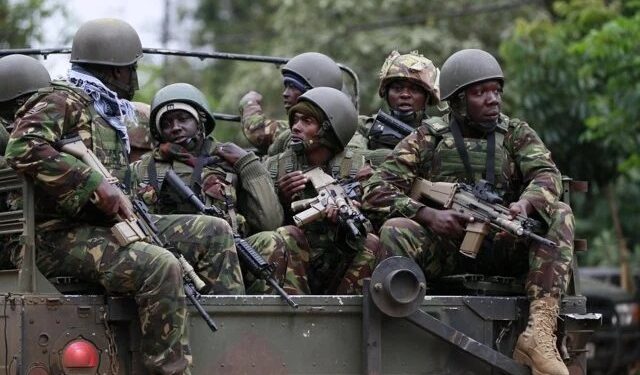
BAWKU, UPPER EAST REGION — In a significant enforcement action, Ghana Armed Forces personnel have removed Alhaji Seidu Abagre, a chief installed by the Mamprusi faction, from Bawku township. The operation, confirmed by the Ministry of the Interior on December 24, directly implements key recommendations from a recent high-level mediation committee report aimed at resolving the area’s protracted chieftaincy conflict.
The Interior Ministry stated that Abagre is safe in the custody of security agencies. The removal was followed by unconfirmed reports of sporadic gunfire in the area, details of which have not been officially addressed.
Mediation Report Provides Roadmap:
The action follows the submission of a mediation committee report to President John Dramani Mahama on December 16. The committee, convened by the Asantehene, Otumfuo Osei Tutu II, was tasked with finding a path to end the longstanding and sometimes violent dispute over the Bawku skin.
Central to the committee’s findings was a clarification of the legal standing of the rival claims. The report reinforced that the Supreme Court has recognized the Kusasi leader, Naba Asigri Abugrago Azoka II, as the legitimate Bawku Naba. Regarding the rival claimant, Alhaji Seidu Abagre, the committee proposed that the Nayiri (the Overlord of Mamprugu) recall him to Nalerigu for a potential reassignment of roles, or that he remain in Bawku strictly as a private citizen without chieftaincy status.
Government Backs Plan Amid Criticism:
The government has fully endorsed the committee’s report, accepting it as a definitive roadmap for peace. In a complementary move, President Mahama announced the establishment of a GH¢1 billion Bawku Revitalisation Fund, scheduled from 2026 to 2028, aimed at rebuilding local infrastructure and economy as a foundation for lasting stability.
However, the process has not been without controversy. Some analysis suggests that the mediation ventured into the territory of arbitration by effectively declaring a “winner,” which risks alienating one community and could complicate genuine reconciliation. Critics argue that a mediated solution should have focused more on mutual compromise rather than a ruling on the legitimacy of one claim over another.
A Precarious Path Forward:
The military’s removal of the rival chief marks a pivotal moment in the crisis. It demonstrates the government’s commitment to enforcing the committee’s framework. The immediate focus of security forces is to prevent retaliatory violence and maintain order.
The long-term success of this intervention now hinges on several factors: the commitment of all traditional leaders to the peace process, the effective and equitable use of the revitalization fund to address underlying grievances, and the community’s willingness to move beyond the historical dispute. The situation in Bawku remains tense, and the coming weeks will be a critical test for the new peace architecture.
story by: Nortei Nabi Akoso