In a landmark display of traditional unity, the spiritual overlords of Ghana’s southern and northern regions convened in Nungua on Tuesday, pledging to present a united front to the nation’s Constitutional Review Committee.
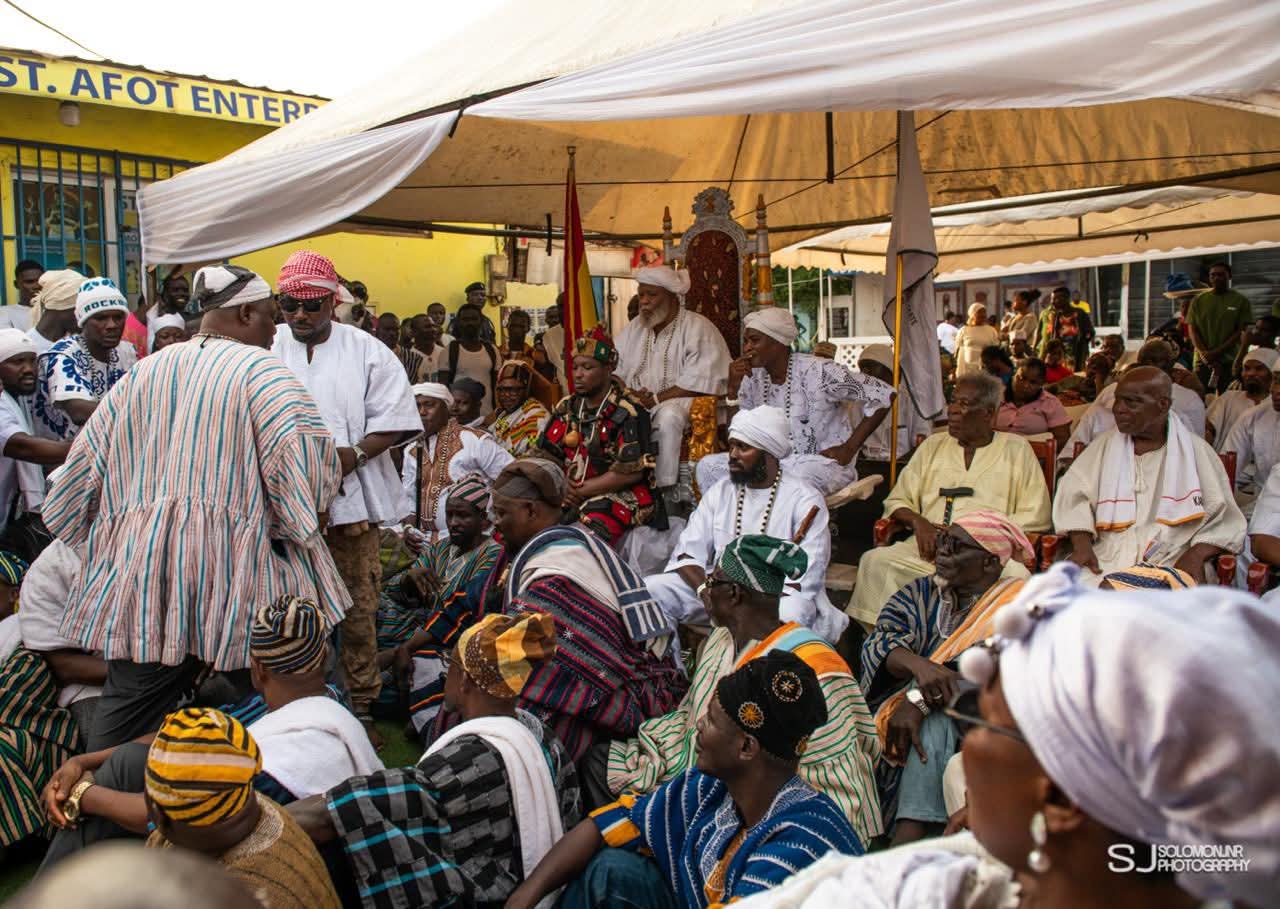
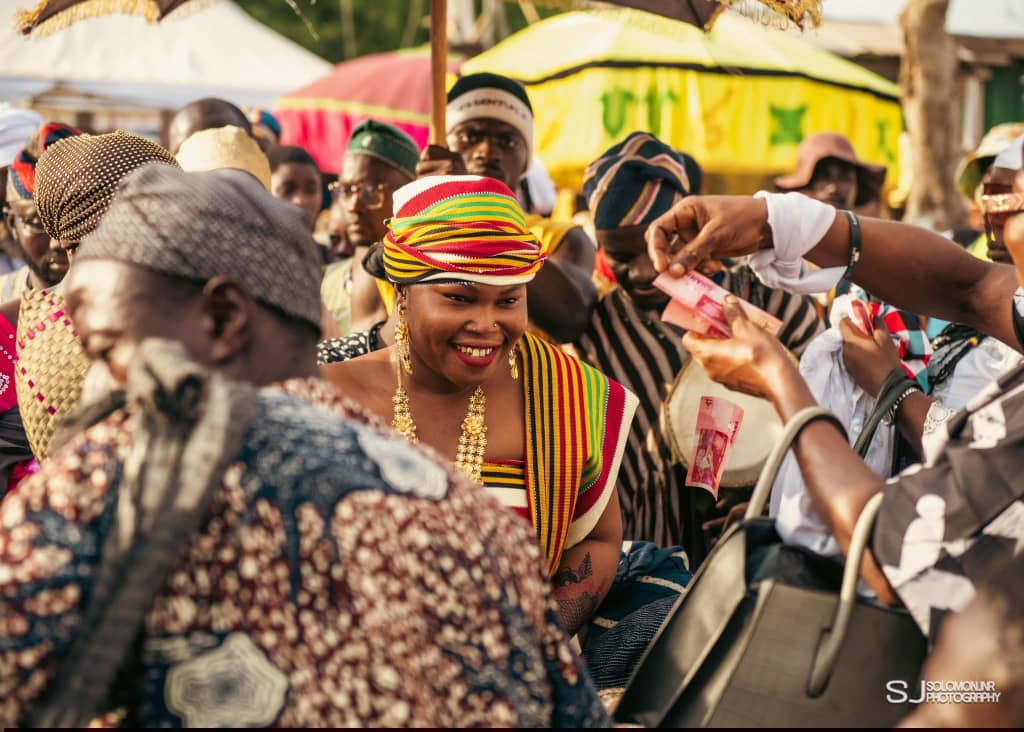
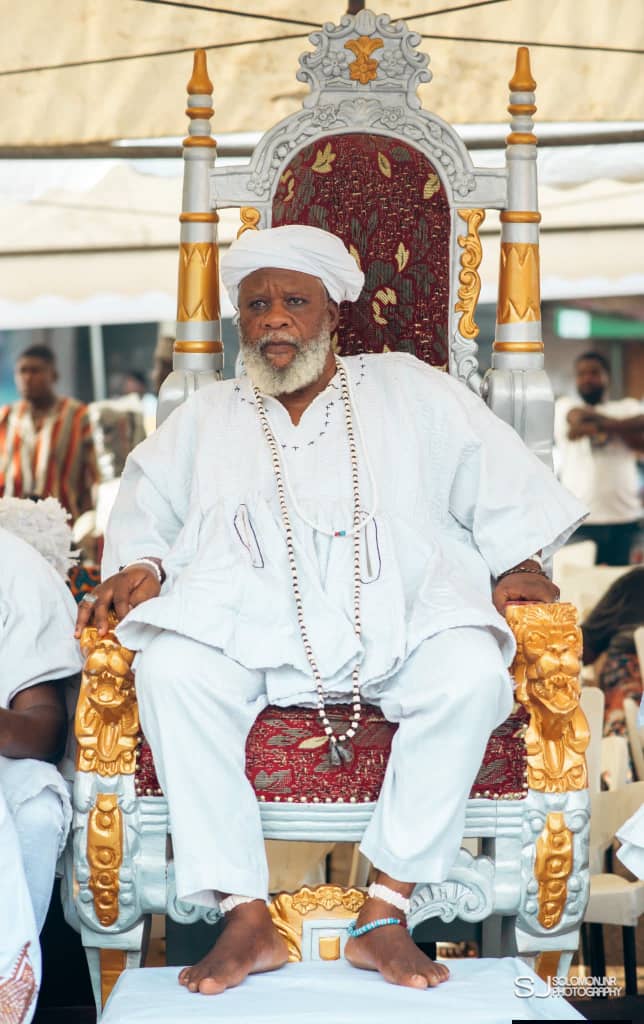
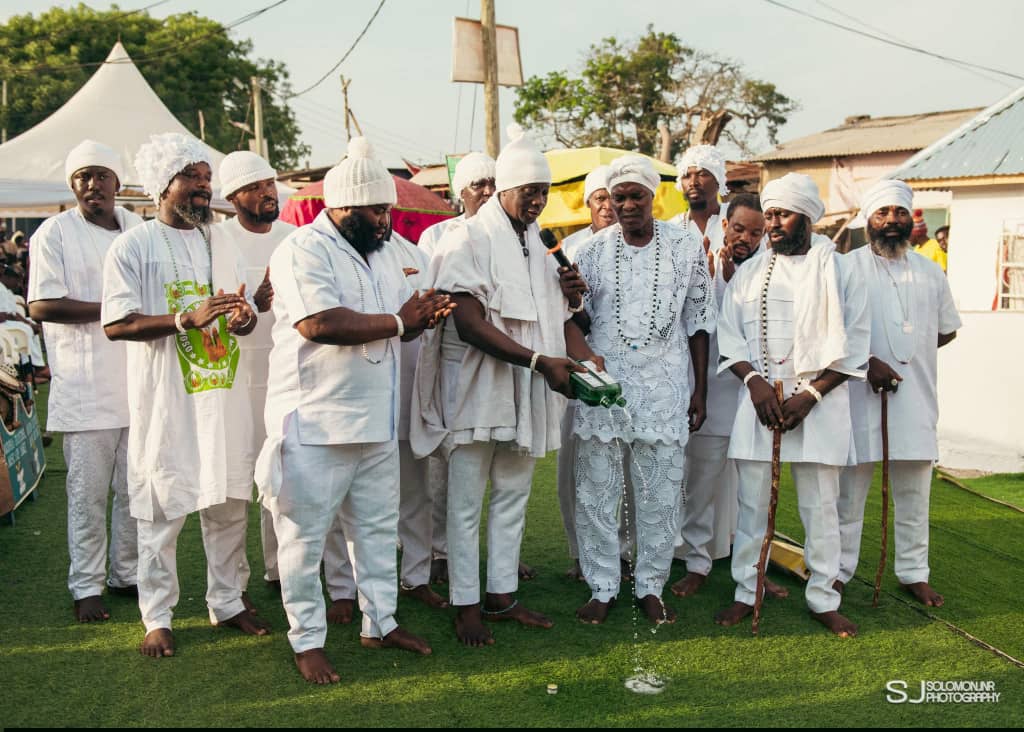
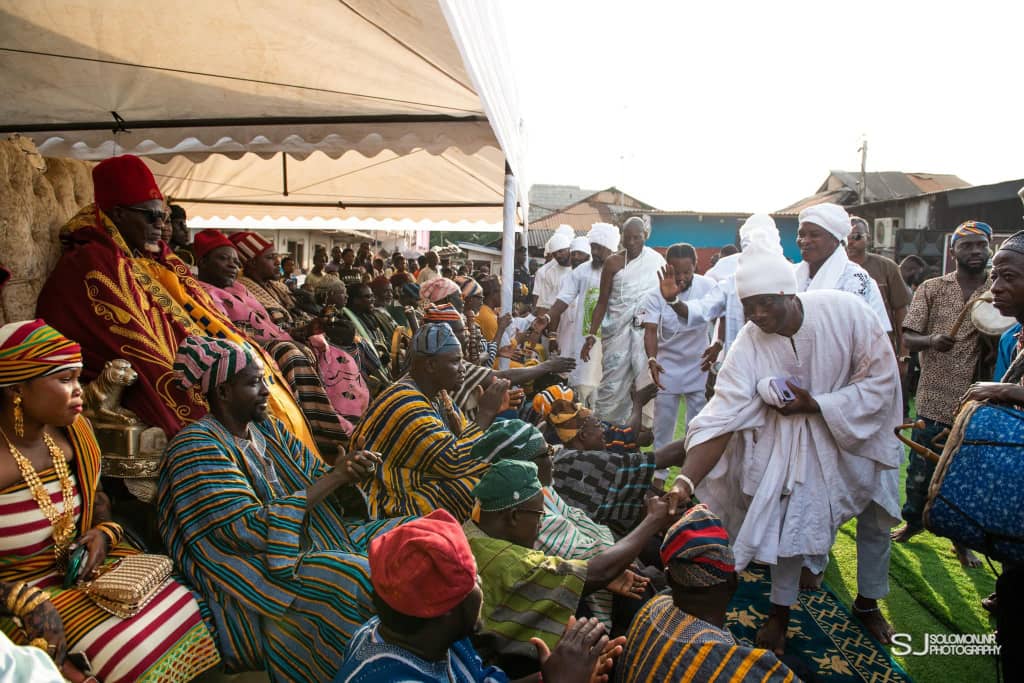
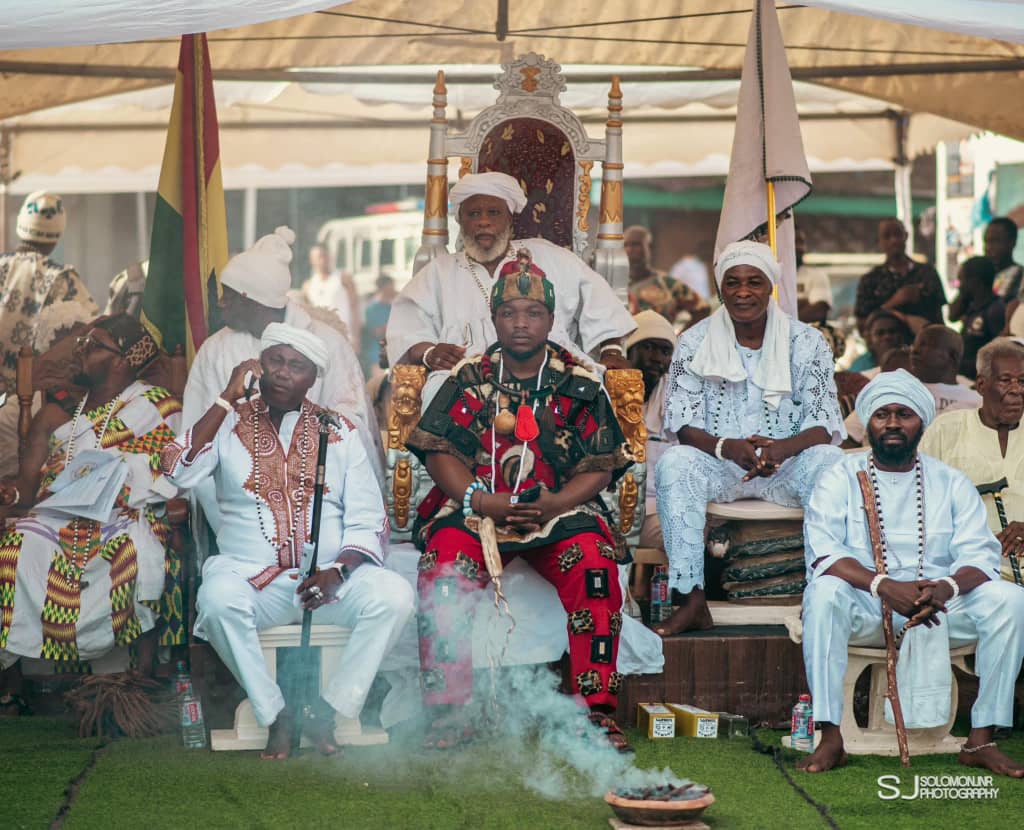
The historic meeting centered on the visit of the Tamale Tindana, Karim, a revered earth priest from Dagbon, to the palace of Nuumo Gborbu Wulomo-Shitse, the Spiritual Overlord of the GaDangme State. The event, described as a rare and symbolic intercultural engagement, was marked by a grand durbar attended by a wide array of traditional and religious leaders.
Beyond fostering unity, the gathering had a clear political objective. In a speech delivered on behalf of the GaDangme Overlord, the leaders asserted the foundational authority of spiritual custodians like Tindanas, Sumankwahenes, and Wulormei, and announced plans to formally petition the government for recognition.
“The spiritual and traditional-political power remains in the bosom of the spiritual lords,” stated the speech, read by Tetse Nii Bortey Kofi Frankwa II. Frankwa II is the Oyibi Gonten Mantse and Regent of the Nungua Mankralo stool. The speech argued that these ancient offices are not only culturally significant but are also crucial for national development, and that constitutional provisions should reflect their primary role, upon which chieftaincy itself is built.
The leaders resolved to submit their petition to the Constitution Review Committee (CRC). This committee was established by President John Dramani Mahama in January 2025 and is currently soliciting views from citizens and institutions on potential amendments to the 1992 Constitution.
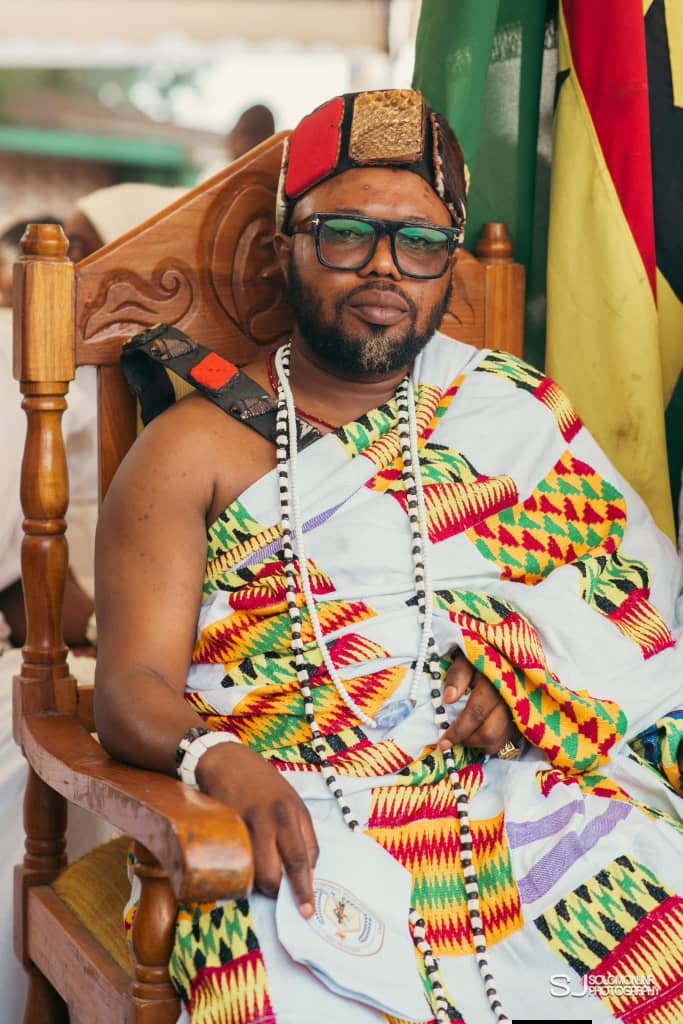
The Gborbu Wulormor, who historically is the first amongst today’s GaDagmes to settle with his people, is revered as the owner and spiritual overlord of the GaDangbe State hence the title ”Shitsɛɛ” which translates ”Landlord” or ”Lord of The Land” with the eminent Tindana having his title translating just as same. The Tamale Tindana iz also styled ”Grandfather of The Naa Gbewa”, the Naa Gbewa being one of the highest chieftains in recorded Dagbon history.
The durbar featured a “cosmopolitan” representation of Ghana’s religious landscape. Prominent figures in attendance included the Nungua Mankralo; Obrempong Nugma Alabi Djenge, The Djenge We Mantse; Nii Dunu, The Kanvili Tindana, The Teshie Municipal Chief Imam among others.
This unprecedented assembly underscores a growing movement among Ghana’s traditional spiritual leadership to seek formal acknowledgment within the nation’s governance framework, setting the stage for a significant submission to the ongoing constitutional review process.
Story By: Nortei Nabi Akoso